The hayati meaning goes far beyond a simple translation. It’s a word filled with emotion culture and history. People search for it because they’ve heard it in songs relationships or conversations and want to understand what makes it feel so personal.
Is it romantic Spiritual Cultural
The answer is all of the above.
This guide explores the true meaning of hayati its roots emotional depth cultural interpretations and how it’s used in real life today.
Definition & Core Meaning of Hayati
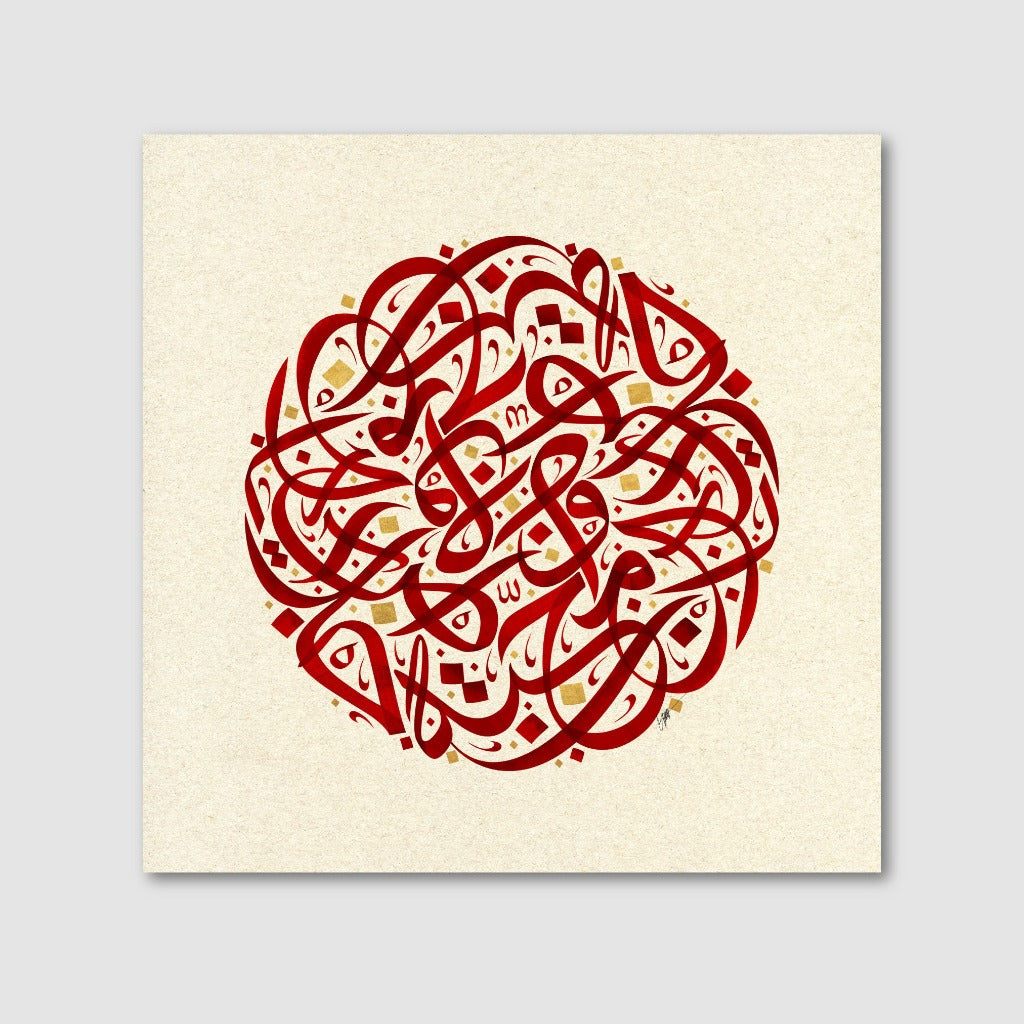
The word hayati comes from Arabic (حياتي) and directly translates to:
“My life.”
It is derived from:
- “Hayat” (حياة) = Life
- Adding “-i” makes it possessive = My life
Core Meanings
- Literal Meaning – “My life”
- Example: “Hayati, where are you?”
- Romantic Expression – A term of deep affection
- Similar to “my love” or “my darling”
- Emotional Importance – Someone essential to your existence
- “You are my hayati.”
- Spiritual or Poetic Meaning – Life as purpose or divine gift
In everyday speech, hayati expresses deep emotional attachment. It’s more intense than just saying “love.” It suggests that someone is central to your existence.
Historical & Cultural Background
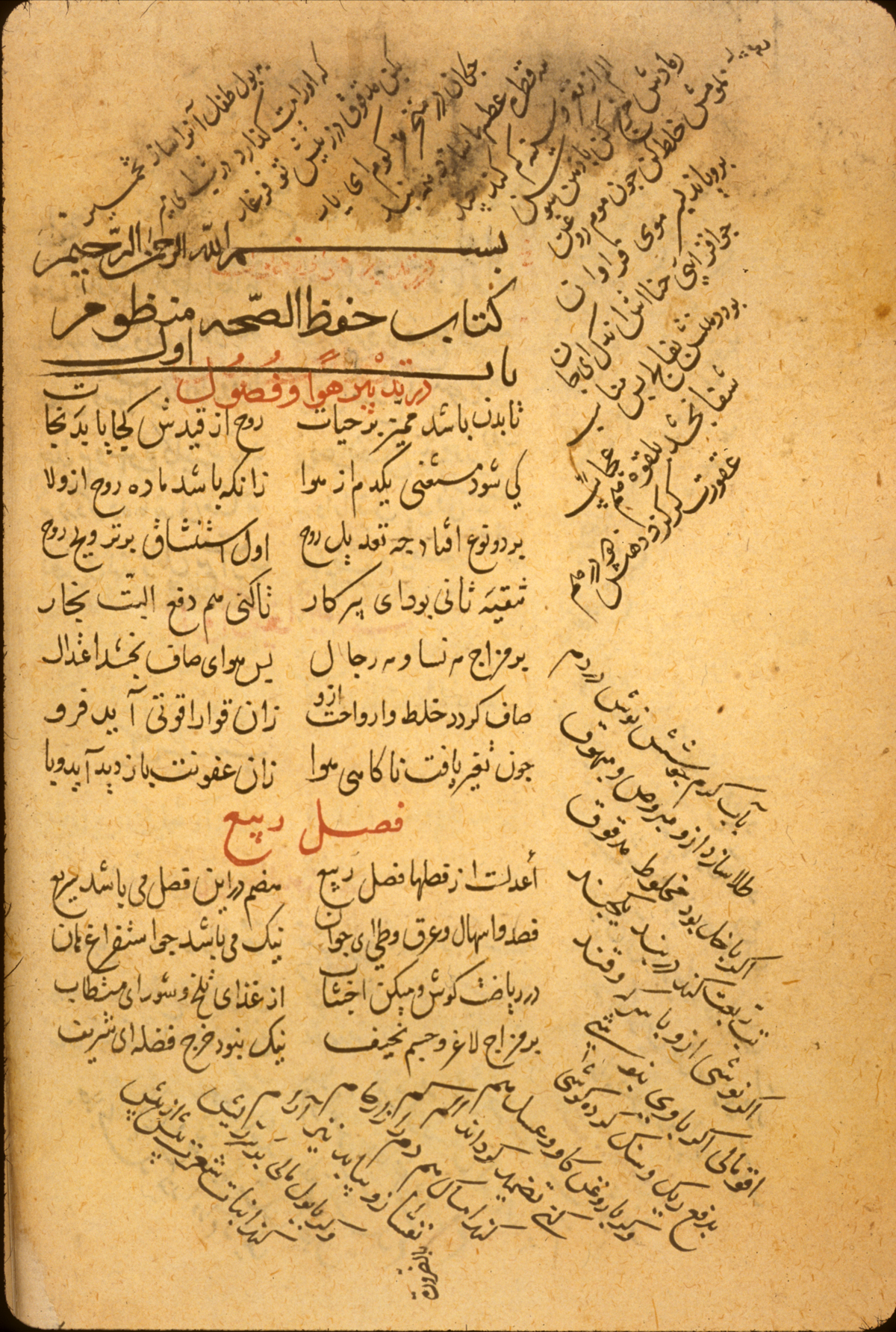
The hayati meaning is rooted in the Arabic language, one of the oldest continuously spoken languages in the world. Arabic poetry and literature have historically placed strong emphasis on emotional expression.

4
Ancient Origins
- The root word “hayat” appears in classical Arabic texts and the Qur’an.
- In spiritual contexts, it symbolizes divine life and existence granted by God.
- In classical poetry, it often represented longing and devotion.
Cultural Interpretations
Middle Eastern Culture
- Frequently used in romantic relationships.
- Parents may call their children hayati.
- It can express warmth, not just romance.
Mediterranean & Turkish Influence
- Turkish language adopted similar emotional expressions.
- The singer Tarkan popularized romantic Arabic-influenced terms in music.
Western Popular Culture
- Spread through global music, especially artists like Amr Diab.
- Now commonly seen in Instagram captions and relationship posts.
Emotional & Psychological Meaning
At a deeper level, hayati touches on human attachment and identity.
1. Symbol of Emotional Dependency
Calling someone hayati implies:
- You are essential to me.
- My happiness connects to you.
- Life feels incomplete without you.
2. Expression of Secure Attachment
Psychologically, such words reinforce bonding. Terms of deep endearment:
- Increase emotional intimacy
- Strengthen relationship security
- Build identity as a couple
3. Healing & Comfort
In some contexts, hearing hayati from a loved one:
- Reduces emotional stress
- Creates feelings of safety
- Signals unconditional care
It’s not just a word—it carries emotional weight.
Different Contexts & Use Cases
The hayati meaning shifts depending on context.
1. Romantic Relationships
- “Good morning, hayati.”
- Deep affection and exclusivity.
2. Family Usage
- Parents to children.
- Siblings expressing closeness.
3. Social Media
- Captions: “Forever my hayati.”
- Often used with heart emojis.
- Signals deep love publicly.
4. Professional or Casual Use
Rare in formal settings. It remains:
- Personal
- Intimate
- Emotional
Using it casually with strangers may feel inappropriate in traditional cultures.
Hidden, Sensitive, or Misunderstood Meanings
Despite its beauty, misunderstandings happen.
1. It’s Not Just “Baby”
Some people equate hayati to “babe.”
It’s deeper. It literally connects someone to your existence.
2. Cultural Boundaries Matter
In conservative societies:
- Public use between unmarried couples may be frowned upon.
3. Emotional Intensity
Using it too early in a relationship can:
- Signal stronger commitment than intended.
- Create emotional imbalance.
4. Not Gender-Specific
Hayati can be used for:
- Men
- Women
- Children
It’s universal in affection.
Comparison With Similar Terms
| Term | Language | Literal Meaning | Emotional Intensity | Typical Use |
|---|---|---|---|---|
| Hayati | Arabic | My life | Very High | Romantic & family |
| Habibi | Arabic | My beloved | High | Friends & lovers |
| Amor | Spanish | Love | Medium-High | Romantic |
| Mon Amour | French | My love | High | Romantic |
| Jaan | Hindi/Urdu | Life | Very High | Romantic |
Key Insight
While many cultures use affectionate nicknames, hayati uniquely blends existential importance with romantic warmth. It implies that someone is not just loved—but vital.
Popular Types / Variations of Hayati
Here are commonly used variations and related forms:
- Hayat – Life (base word)
- Hayati Albi – “Life of my heart”
- Ya Hayati – “Oh my life” (dramatic or emotional)
- Habibti Hayati – “My beloved, my life”
- Hayati Enta – “You are my life”
- Rouhi Hayati – “My soul, my life”
- Hayati Forever – Modern social media fusion
- Hayati Wallah – Emotional emphasis (“I swear, my life”)
- Ya Rouhi – Similar intensity (“Oh my soul”)
- Omri – “My lifetime” (Egyptian dialect)
Each variation slightly shifts tone but keeps emotional depth.
See also: Habibi Meaning Explained
How to Respond When Someone Calls You Hayati
Your response depends on the relationship.
Casual Response
- “Aww, that’s sweet!”
- “You’re my hayati too.”
Meaningful Response
- “That means a lot coming from you.”
- “You’re my life in so many ways.”
Fun Response
- “Does that make me officially important now?”
- “I’ll take that title!”
Private & Deep Response
- “When you say that, I feel safe.”
- “I carry that word seriously.”
Matching emotional tone is key.
Middle Eastern
- Very common.
- Strong romantic and family usage.
- Often spoken daily between spouses.
Western
- Adopted mainly in multicultural relationships.
- Seen as consider and passionate.
Asian (South Asia)
- Similar to “Jaan.”
- Emotional, sometimes poetic.
African & North African
- Integrated into daily speech.
- Used in both Arabic-speaking and influenced communities.
Cultural context determines how frequently and publicly it’s used.
FAQs:
1. Does hayati only mean romantic love?
No. It can be romantic, parental, or deeply affectionate.
2. Is hayati stronger than habibi?
Generally yes. Hayati implies someone is essential to your life.
3. Can women say hayati to men?
Yes. It’s gender-neutral.
4. Is it appropriate in formal settings?
No. It’s personal and intimate.
5. Is hayati used in the Qur’an?
The root word “hayat” appears, but “hayati” as romantic usage is conversational.
6. Why is hayati popular on social media?
Because it sounds poetic, emotional, and culturally rich.
7. Does it always imply commitment?
Often yes. It signals strong emotional attachment.
Conclusion:
The hayati meaning reaches into language emotion culture and identity. It literally means my life but emotionally it says:
You matter deeply. You are central to my world.
Its power lies in sincerity. Used authentically it builds closeness and warmth. Used lightly it still carries beauty but its roots remain profound.
Whether whispered in love spoken between family members or shared online hayati reminds us that language can hold life inside it.
Discover more post:
| https://meannova.com/senioritis-meaning/ |
| https://meannova.com/clientele-meaning/ |
| https://meannova.com/estar-meaning/ |